Void Tomb
GAMEPLAY
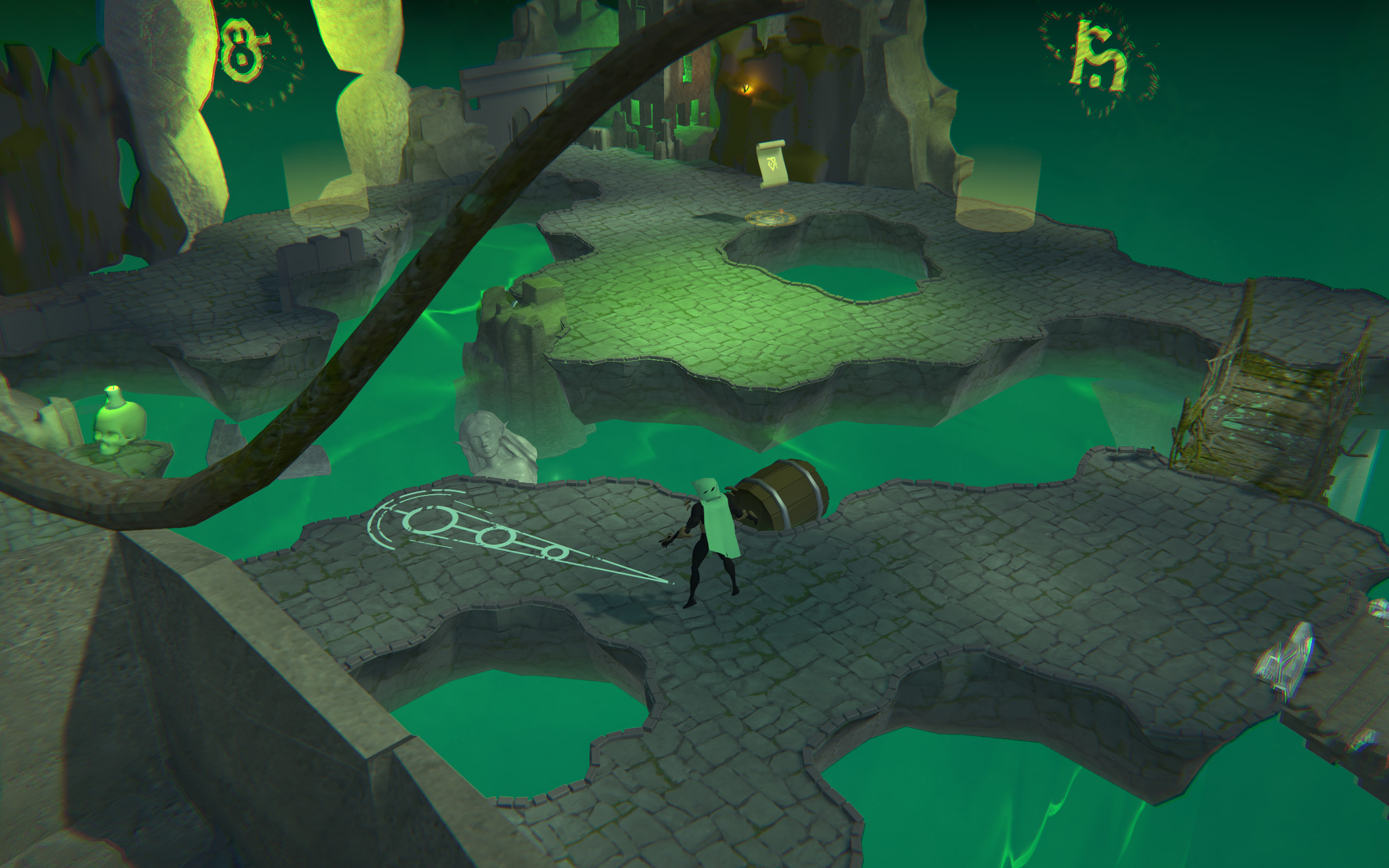
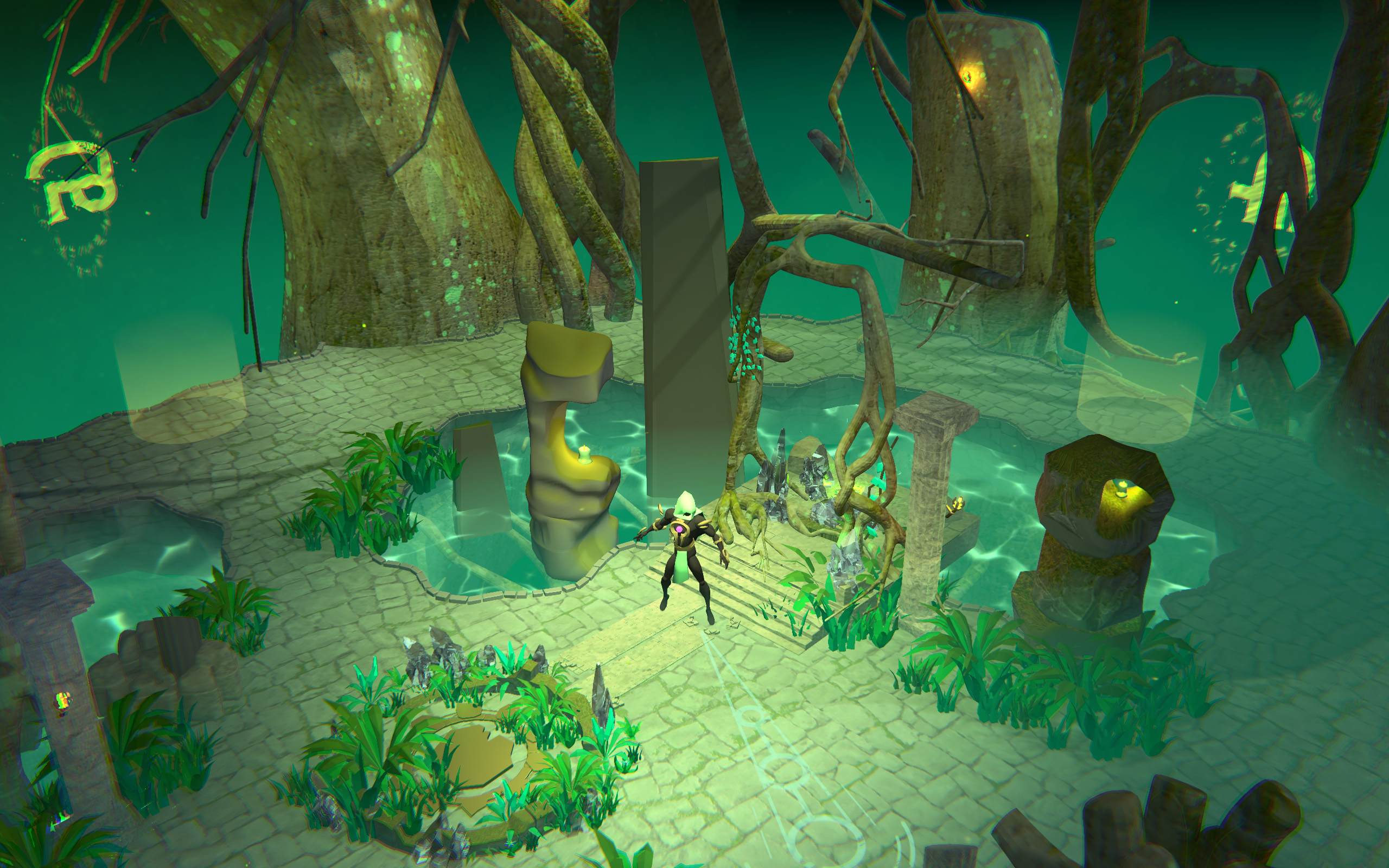
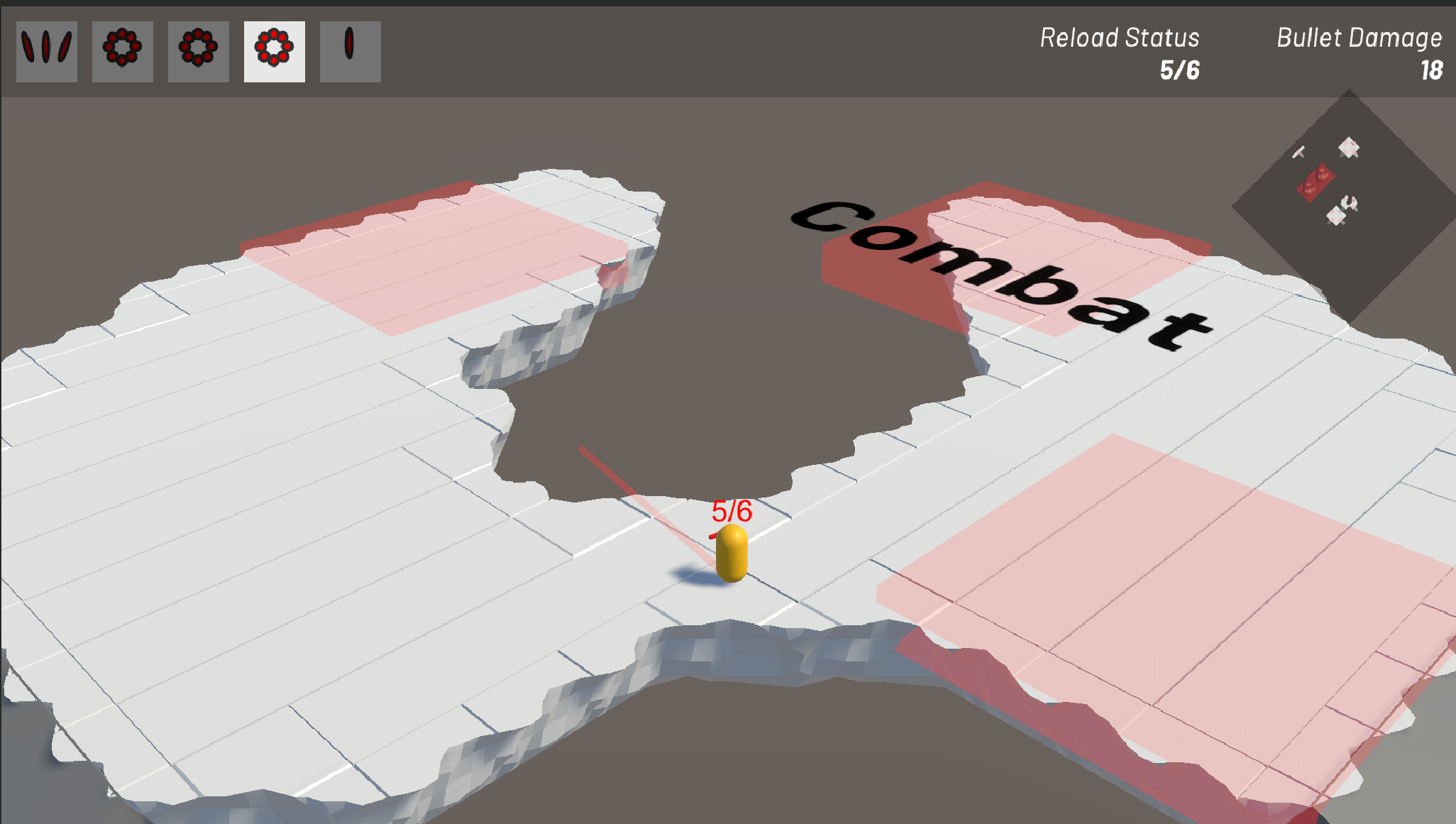
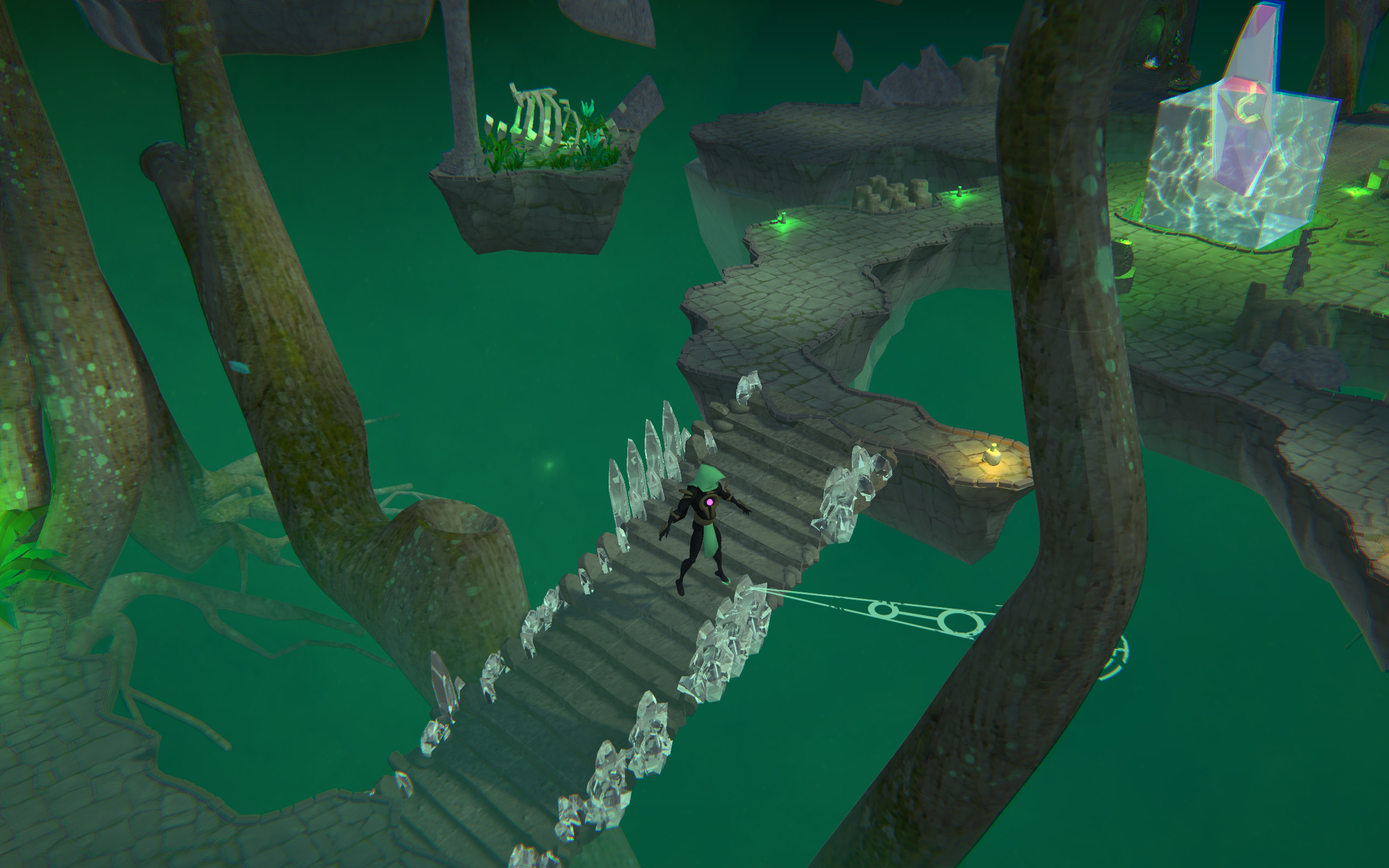
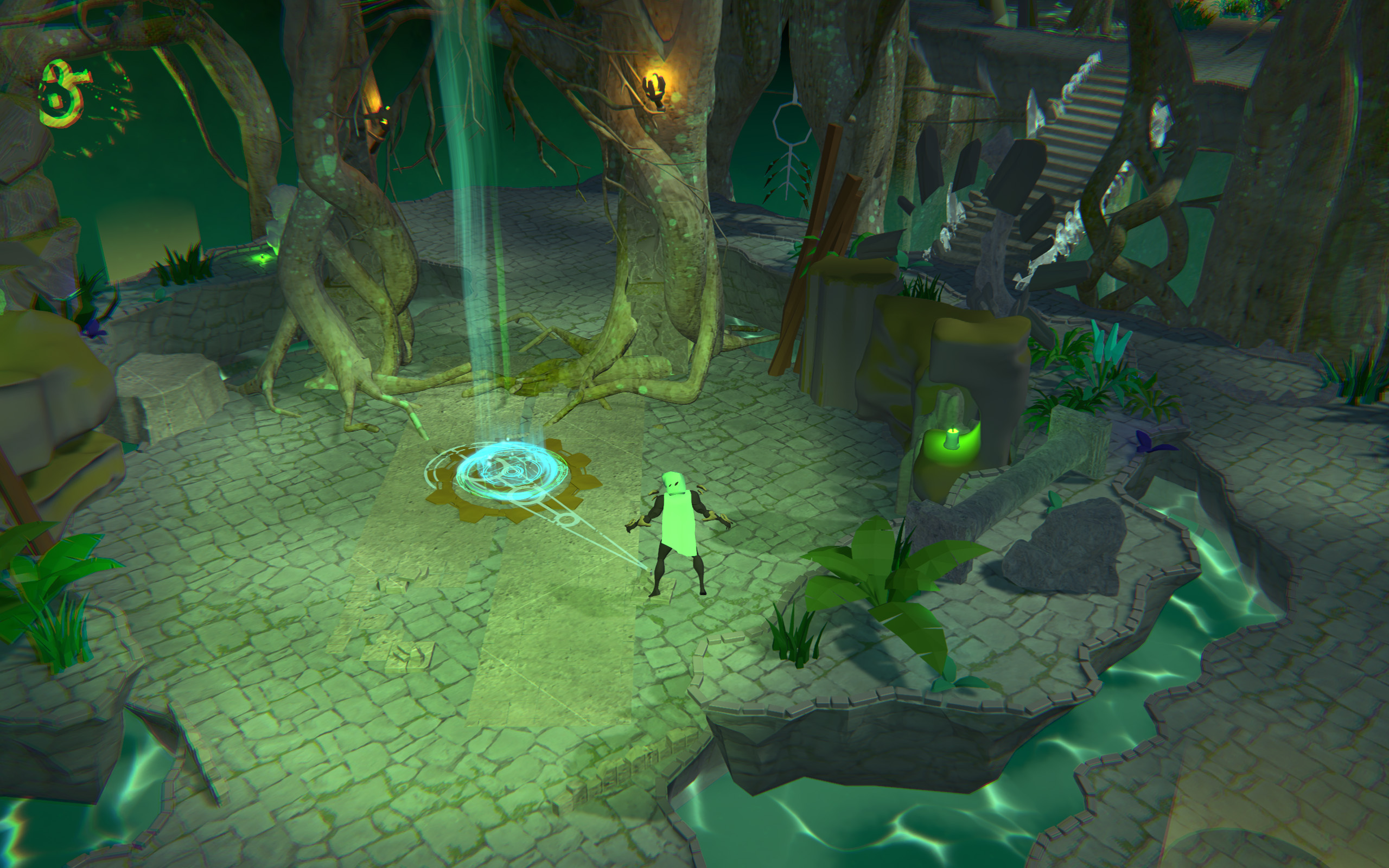
Void Tomb is a tile-laying action roguelite in which you carry and collect Shards that modify your combat abilities such as bullet patterns and speed, knockback, shields and dashing.
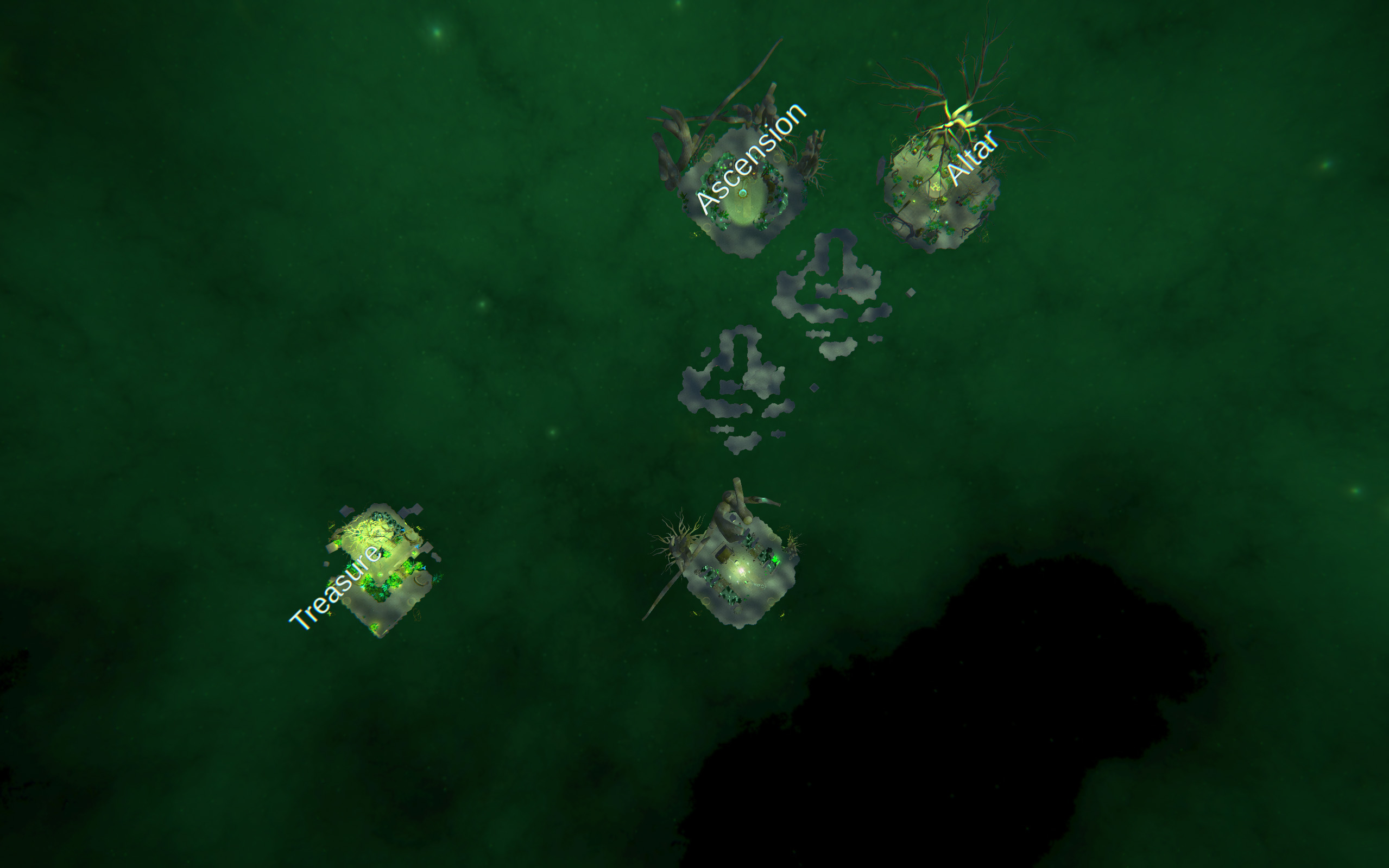
The only way to reach the exit is to play and give up Shards to summon pieces of the corrupted world to traverse.
These Islands contain traps and enemies you must defeat to gain more Shards. Falling in battle resets you to the previous Island but each Island can only be attempted once. Run out of Shards and the Void claims you forever.
ROLE & DUTIES
— Original concept and vision holder
— Game design: enemies, attacks, level design.
— Progression algorithms, level generation, difficulty, weighted loot-tables.
— Narrative system programming: designing and programming a narrative system to add content in-engine.
— Audio system and sound design
DESIGN CHALLENGES
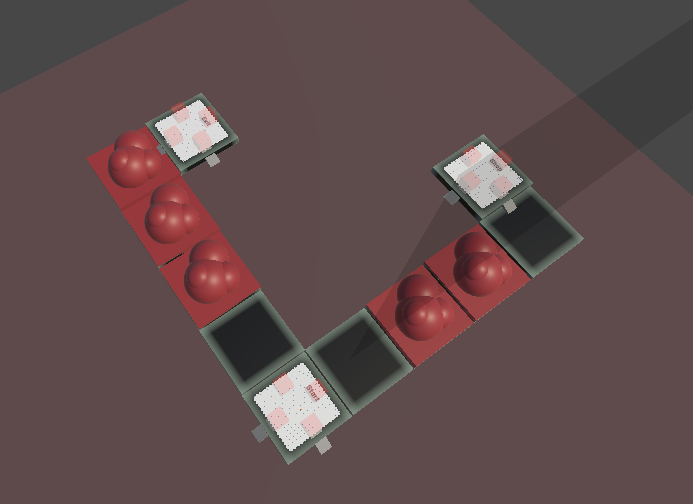
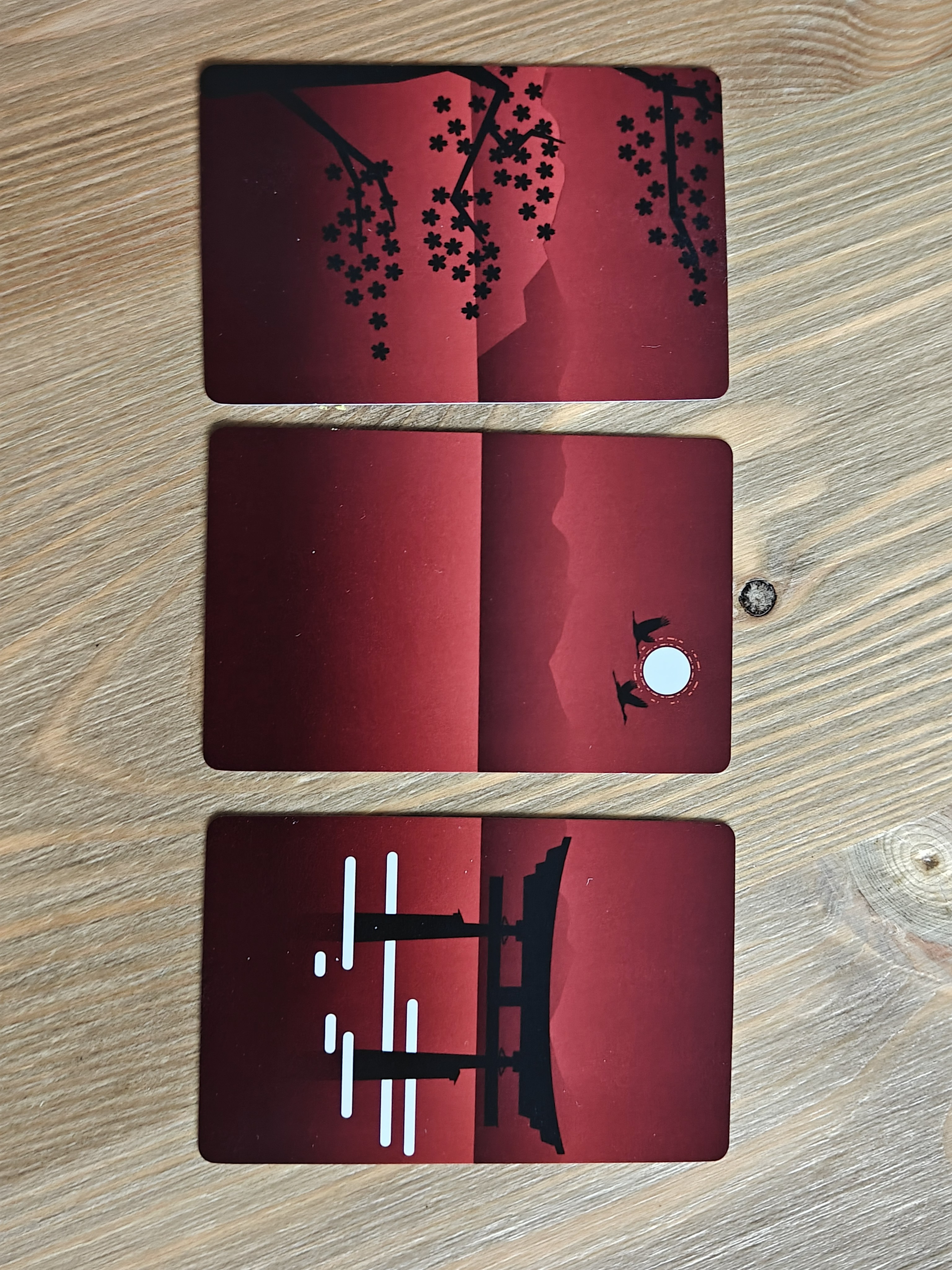
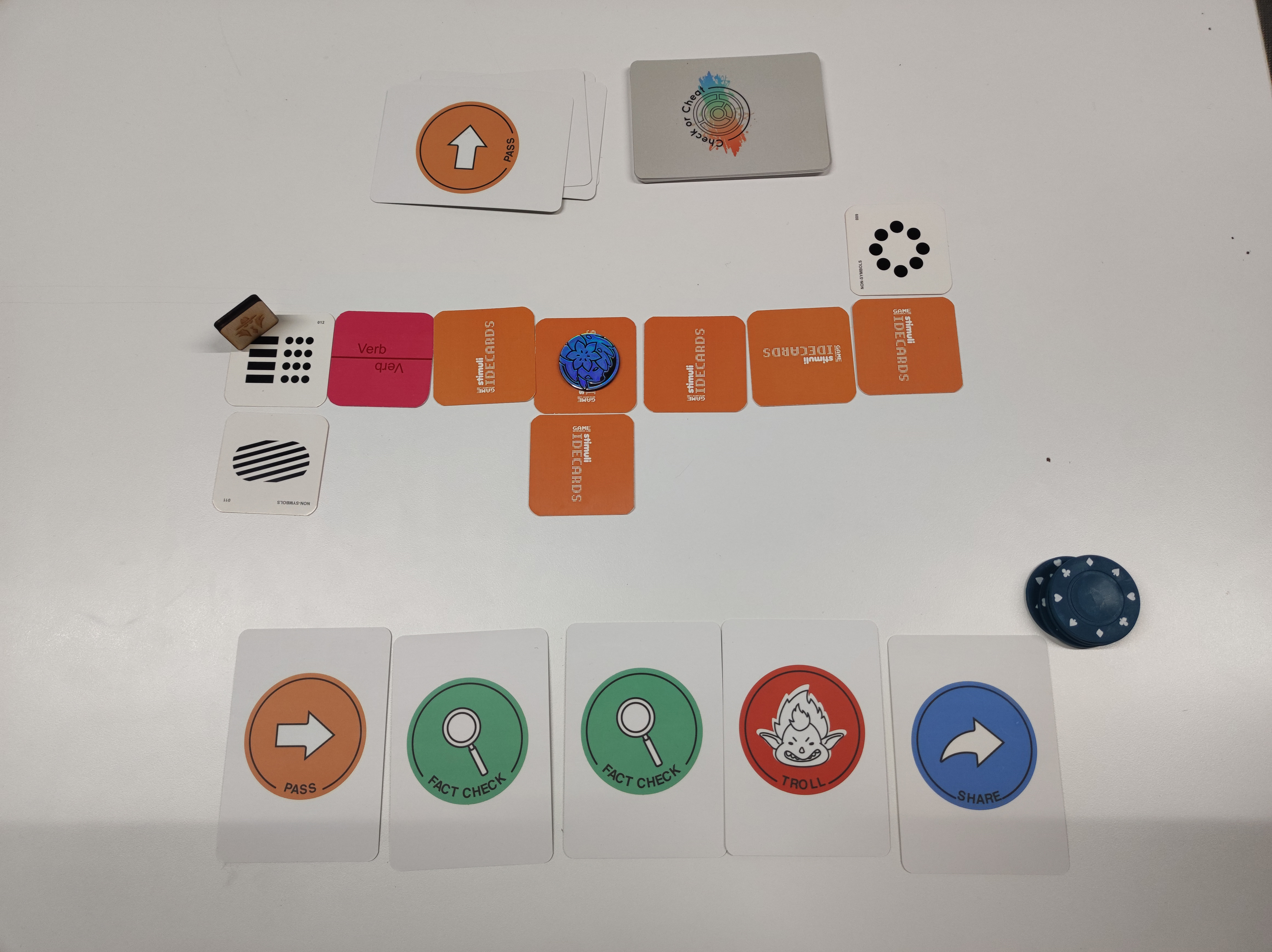
I wanted to design gameplay where everything affects everything. I was inspired while playing Hanabi by the “hitpoint” cards which can be placed together to form a horizon in several configurations.
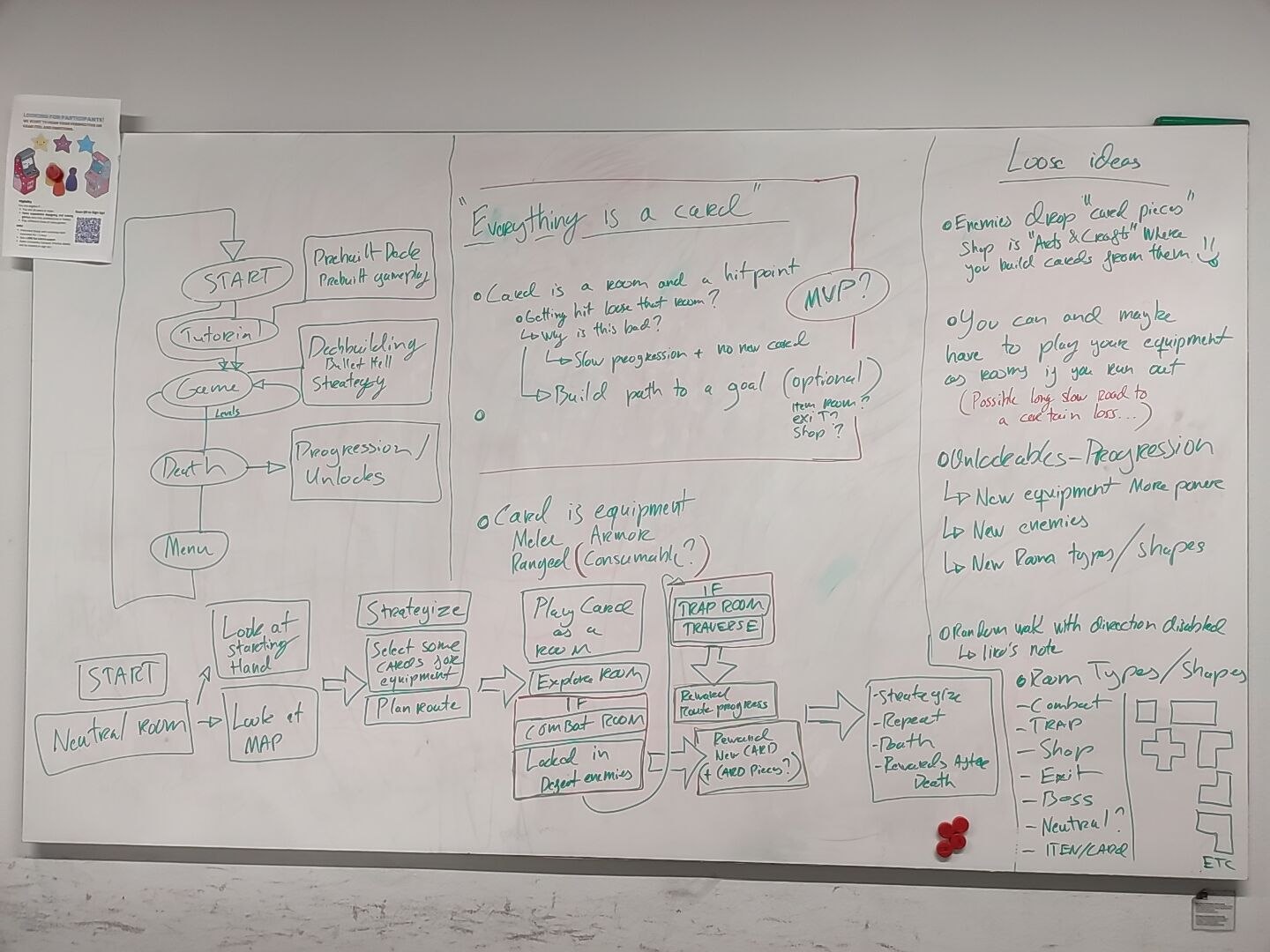
My goal was to have the players “hand of cards” be their character build, hitpoints and also the level in which they play. The game should alternate between a slow and fast rhythm. During paper-prototyping with co-designer and producer Hiski Huovila we felt the cognitive side of gameplay was already working here.
Having the player build a level to reach a goal with progressively rising systemic difficulty while always sacrificing their strength is meant to create cognitive gameplay and interesting decision-making juxtaposed with fast-paced reactive combat.
The theming and atmosphere of the game feel unique to me and was born from collaborating with our fellow narrative designer Xueyun Zhang and lead artist Gege Fei.
I'm proud of the narrative system which tracks player actions and triggers "plot points" to be spawned for the player to interact with - or ignore - if they so wish. Plot points can be designated to spawn in selected conditions after a condition is met. An example: a plotpoint will only appear after the player has placed 20 rooms and they are in the exit-room. Plotpoints contain dialogue which I have mostly written.
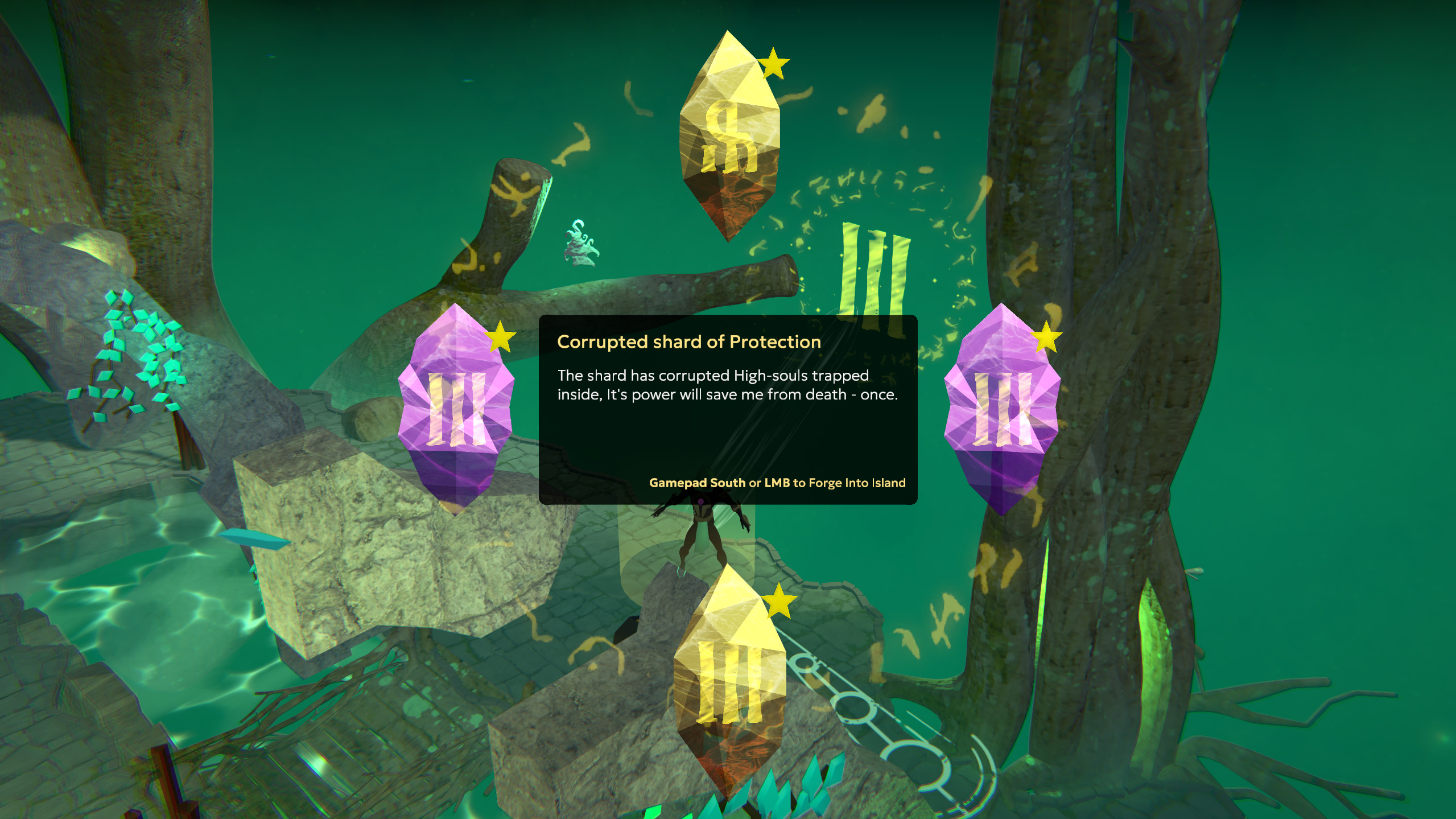
Takeaway: algorithmic progression requires setup but is immensely powerful when used correctly.